
Sisak History Ring

Sisak Ring of History is a story about history of the town of Sisak, which presents seven most important periods in the thousand-year-old history of the town. That cultural object is situated next to the promenade along the Kupa River and the building of ′Mali Kaptol ′ in seven pictures placed below the ground level, so that you can walk above them.
On the bottom of each of the seven illuminated showcases there is a big map from the related period with the name of the town which was used at that timeas well as the note of the period, and on top of it there is a doll wearing the traditional clothing of the period and some matching commonly used articles and weapons. All the items are replicas made according to originals found in Sisak.
|
Seven pictures about the town: |
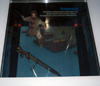 1. Segesta, 4 - 1st century BC 1. Segesta, 4 - 1st century BCFortified Celtic town situated at the 'double mouth of the Kupa River into the Sava'. The Romans tried to conquer it several times, but succeeded only in the year 35 BC, after a 30-day siege with 13 000 soldiers. |
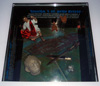 2. Siscia, 1st century BC – 6th century AD 2. Siscia, 1st century BC – 6th century ADSplendid Siscia, a fortified and organized town of streets and squares, with multi-storey buildings, waterworks and sewerage, became the capital of the Province Pannonia Savia, where merchants and soldiers from all over the empire were coming. There were 35 000 inhabitants, and there was the imperial mint. Siscia was the seat of the Diocese; its most famous bishop was St Quirinus, the martyr. |
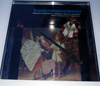 3. Early mediaeval Siscia, 7th -12th century 3. Early mediaeval Siscia, 7th -12th centuryAfter the arrival of the Croats in the 7th century, the town again awoke and grew, Duke of Pannonia Savia Ljudevit Posavski re-fortified the town and fought against the Francs. |
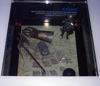 4. Sziszek, 13th -17th century 4. Sziszek, 13th -17th centurySmall market-town Sziszek once again became important after building the fort 'Stari Grad' which defended 'reliquiae reliquiarum' of Croatia. On the 22nd June 1593 at Sisak, the Turkish Army, unstoppable till then, was defeated under the leadership of Ban Toma Bakač Erdëdy. |
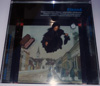 5. Sissek, 18th – 19th century 5. Sissek, 18th – 19th centuryDue to trade in grain and sailing along the Rivers Sava and Kupa, Sissek became an important market-town. Boatmen and tradesmen came from the whole Habsburg Monarchy, building houses and warehouses, which have been in the town centre ever since. |
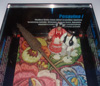 6. Posavina and Pokuplje, 19th – 20th century 6. Posavina and Pokuplje, 19th – 20th centuryThe surroundings of Sisak keep harmony of scenery and tradition of the heritage of Croatian people. Preserved wooden houses – 'korablje', infields, traditional crafts and agriculture can all be found closely to the town, in Park of Nature 'Lonjsko Polje'. This Park of Nature is one of the richest habitats of rare plant and animal variety. |
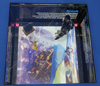 7. Sisak, 20th century 7. Sisak, 20th centuryAn industrial town, well-known for its metallurgical, chemical, food and textile factories. At the end of the century, in the Homeland War from 1991 to 1995, our Sisak again, as throughout the history, showed its military significance. On the first line of battlefield it defended the homeland, proving for good that it is the 'Town of Croatian victories'. |
|